Can You Pass This Gen Z Slang Trivia?
13. What does "touch grass" suggest?
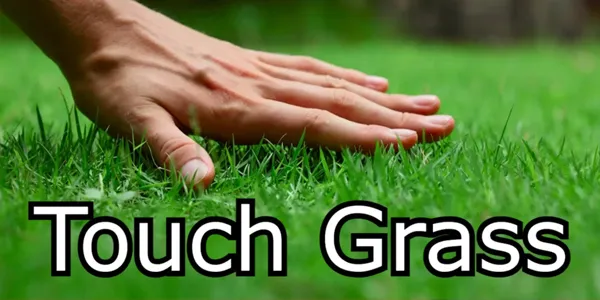
"Touch grass" is a humorous insult telling someone to step away from the internet and experience the real worlIt's often used when someone is too online, overly dramatic, or arguing intensely about trivial topics.
Generation Z typically refers to those born in the late 1990s and early 2010s. This generation grew up with smartphones, social media, and instant access to global culture. As a result, Generation Z communicates faster, more visually impactful, and more creatively than any previous generation.
Language evolves with culture, and Generation Z slang reflects a digital-first worldview. Their vocabulary is concise, expressive, and often humorous. Many phrases are born on online platforms and disappear just as quickly.
Language Factory
Unlike slang that spread through music or television in the past, Generation Z slang is born online. Platforms like TikTok, Twitter (X), Instagram, Discord, and Twitch play a huge role in shaping the modern vocabulary.
A viral video can make millions of people aware of a phrase overnight. Algorithms accelerate the spread of slang, while internet memes constantly reassemble its meanings. This makes Generation Z slang fluent, lively, and sometimes confusing to laypeople.
Online Trends
Influencers and content creators often unintentionally promote slang. A casual remark made during a live stream can become part of everyday language within days. Memes also contribute to the popularity of slang by adding humor and relatability.
Words like "slay," "based," and "main character energy" are popular because they are flexible, funny, and perfect for use in captions, comments, and memes.
Gen Z slang is a fast-evolving, internet-driven vocabulary including terms like "Rizz" (charisma), "Slay" (do amazing), "Cap" (lie/truthful if "no cap"), "Delulu" (delusional), "Bussin'" (delicious/great), "Bet" (okay/agreement), and "Ate" (and left no crumbs) (did exceptionally well).
Slang is also used to quickly express emotions. Instead of lengthy explanations, a single word like "yikes" or "cringe" can instantly convey the full feeling.
Older Generations Are Confused
Gen Z slang evolves rapidly and often borrows from niche online communities. Meanings change quickly, with some words carrying ironic or exaggerated connotations.
It often uses irony, memes, and terms from AAVE, reflecting rapid shifts in digital communication on platforms like TikTok, with newer phrases like "aura farming," "brainrot," and "crashing out" emerging in 2025. Emotional Expression: Gen Z slang often employs irony.
That's part of the fun. Slang is gradually becoming a cultural marker, used by Gen Z to connect, joke, and share shared online experiences.
Key Characteristics
Origin: Heavily influenced by TikTok, internet culture, and African-American Vernacular English (AAVE).
Style: Quick, concise, often ironic, and uses abbreviations/memes.
Dynamic: Changes rapidly; what's popular now might be "cheugy" soon.
Now that you understand the origins of Gen Z slang, let's see how well you know it. Can you figure out the real meaning behind those trending words and phrases?