Game of Thrones Trivia Challenge: Test Your Knowledge Of Game of Thrones
8. Which religion worships the Lord of Light?
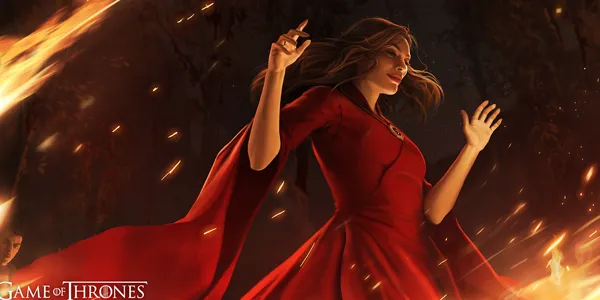
The religion that worships the Lord of Light (also called R'hllor, the Red God, or the Heart of Fire) is a fictional faith from George R.R. Martin's A Song of Ice and Fire / Game of Thrones, inspired by real-world dualistic religions like Zoroastrianism, featuring a struggle between the fiery Lord of Light and the dark Great Other
When *Game of Thrones* premiered on HBO, almost no one could have predicted its immense cultural impact. Adapted from George R.R. Martin's fantasy novel series *A Song of Ice and Fire*, the show shattered the boundaries of traditional fantasy dramas. It combined cinematic production values with an intricate narrative, presenting a world where heroes fall and villains win audience sympathy. This unpredictability became one of the show's signature characteristics, attracting millions of viewers worldwide.
The World of Westeros and Essos
At the heart of *Game of Thrones* is a vast, fictional world. Westeros, the main continent where the story unfolds, is divided into several territories, each ruled by a powerful noble family, each with its own unique traditions and ambitions. Beyond the Narrow Sea lies Essos, a kingdom with ancient cities, thriving commerce, and a diverse culture.
The Iron Throne and the Struggle for Power
The central conflict of the series revolves around the Iron Throne, the center of power in the Seven Kingdoms. Forged from the swords of defeated enemies, the Iron Throne symbolizes rule, inheritance, and ambition. Multiple families, including the Starks, Lannisters, Baratheons, and Targaryens, vie for the throne, with betrayal and war commonplace. The series focuses on how the pursuit of power corrupts hearts, destroys families, and reshapes the fate of entire nations.
The Major Houses of Westeros
Each major family in *Game of Thrones* represents a unique philosophy and way of life. The Starks value honor and loyalty, the Lannisters pursue wealth and influence, while the Targaryens are driven by destiny and fire. These starkly different philosophies intensify the political tension in the series. Instead of simply defining any family as purely good or evil, the show guides viewers to question traditional notions of heroism and justice.
Redefining Characters in Television Narrative
One of the show's greatest strengths is its massive ensemble cast. Characters such as Tyrion Lannister, Daenerys Targaryen, Jon Snow, and Arya Stark undergo significant transformations as the story unfolds. Their journey explores identity, morality, and survival in a brutal world. The show's willingness to kill off key characters shocked viewers and reinforced the theme that "no one is truly safe."
Magic, Myth, and the Supernatural
While political intrigue dominates much of the plot, magic subtly permeates the entire series. Dragons, White Walkers, prophetic visions, and ancient religions remind viewers that Westeros is shaped by forces beyond human control. These elements gradually increase in importance, ultimately evolving into an existential crisis that transcends political conflict and challenges humanity's ability to unite.
Themes of Morality and Consequences
Game of Thrones is renowned for its complex moral themes. Choices often have unforeseen consequences, forcing characters to choose between personal survival and moral responsibility. The show eschews simplistic good-versus-evil narratives, instead depicting a world where power requires sacrifice. This realism makes victory hard-won and defeat heartbreaking.
Now it's time to test your memory! Take this trivia quiz and see how much you really know about Game of Thrones!